There’s a very big difference between a regime change war like Iraq and Afghanistan and a “destroy them until they surrender” like what happened with Japan in WWII. The US burnt Japan to the ground and nuked it not once, but twice, for attacking a single naval port. That’s a very different kind of war than bombing a country as a pastime hobby. If the Ford carrier gets attacked and sunk, we’ll have a new Japan on our hands and Iran will be destroyed so thoroughly it won’t be recognizable.
You are maybe overestimating the amount of damage bombs can do. We dropped more bombs on Cambodia and Laos in vietnam than we did in all of world war II, and it didn’t change anything. Japan is different in several respects, for one thing we had a real mobilization as compared to now which is our volunteer force, without the support of the public at large or the hysteria behind the country wide mobilization.
For another thing, our government, and Israel’s aren’t in good faith, as our leaders were moreso in WWII. They are operating under false pretenses, ad hoc reasons, ie stopping the nuclear threat is the given reason but the real reason is they are fascist and distracting the citizenry while they consolidate power.
For another reason, Iran has a firm fervent base of support, that is only strengthened when attacked from without, not the least by a group just involved in an attempted final solution against millions of their fellow muslims. The abuses suffered, of which they aren’t spared the details of as we are here by our censorius government and the craven media.
A more realistic possibility however is that the us invades and takes some land around the straits to safeguard ships moving through, that’s what I’d do if I was an amoral piece of shit running a war against Iran here.
I don’t disagree with most of what you said here. My point isn’t necessarily about the number of bombs dropped, but rather about the attitude that drives the war. I think there’s a very big difference between a war that’s started under dishonest pretexts to grift and pillage, and a war that’s fueled by revenge and anger caused by a legitimate reason of going to war, like the sinking of this carrier. The difference in attitude will determine the lengths the country is willing to go to achieve its aims, and that matters. If the general public supports the war and is motivated to see results, then that gives the government a lot of options and leeway to carry out things that are new, unprecedented, and extreme.
Think about it like this. The former would be a war like the one in Vietnam or Iraq, but the latter would be like the war against Japan in WWII or against Mexico in the Mexican American war. Japan got burnt down and then nuked, Mexico got half the country annexed. That’s a pretty big difference in results when you compare them to wars where the public wasn’t really into like Iraq or Vietnam.
The only statement that you said that I disagree with is this one:
Iran has a firm fervent base of support
I don’t think this is true at all. The only people who support the regime are those in the regime or who directly benefit from its corruption and tyranny. Historically speaking, when regimes try to rule with violence and fear, it’s a pretty strong indicator that they lost all legitimacy with the people and are clinging on to power for dear life. They know the moment they lose power the people will come after them, and I think that’s what we’re seeing in Iran now.


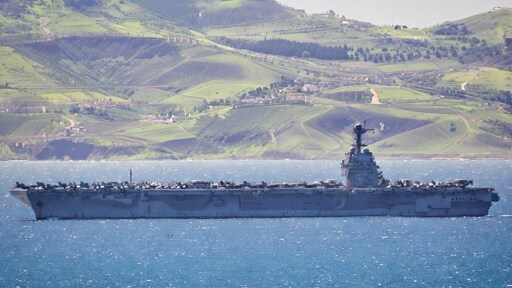
There’s a very big difference between a regime change war like Iraq and Afghanistan and a “destroy them until they surrender” like what happened with Japan in WWII. The US burnt Japan to the ground and nuked it not once, but twice, for attacking a single naval port. That’s a very different kind of war than bombing a country as a pastime hobby. If the Ford carrier gets attacked and sunk, we’ll have a new Japan on our hands and Iran will be destroyed so thoroughly it won’t be recognizable.
You are maybe overestimating the amount of damage bombs can do. We dropped more bombs on Cambodia and Laos in vietnam than we did in all of world war II, and it didn’t change anything. Japan is different in several respects, for one thing we had a real mobilization as compared to now which is our volunteer force, without the support of the public at large or the hysteria behind the country wide mobilization.
For another thing, our government, and Israel’s aren’t in good faith, as our leaders were moreso in WWII. They are operating under false pretenses, ad hoc reasons, ie stopping the nuclear threat is the given reason but the real reason is they are fascist and distracting the citizenry while they consolidate power.
For another reason, Iran has a firm fervent base of support, that is only strengthened when attacked from without, not the least by a group just involved in an attempted final solution against millions of their fellow muslims. The abuses suffered, of which they aren’t spared the details of as we are here by our censorius government and the craven media.
A more realistic possibility however is that the us invades and takes some land around the straits to safeguard ships moving through, that’s what I’d do if I was an amoral piece of shit running a war against Iran here.
I don’t disagree with most of what you said here. My point isn’t necessarily about the number of bombs dropped, but rather about the attitude that drives the war. I think there’s a very big difference between a war that’s started under dishonest pretexts to grift and pillage, and a war that’s fueled by revenge and anger caused by a legitimate reason of going to war, like the sinking of this carrier. The difference in attitude will determine the lengths the country is willing to go to achieve its aims, and that matters. If the general public supports the war and is motivated to see results, then that gives the government a lot of options and leeway to carry out things that are new, unprecedented, and extreme.
Think about it like this. The former would be a war like the one in Vietnam or Iraq, but the latter would be like the war against Japan in WWII or against Mexico in the Mexican American war. Japan got burnt down and then nuked, Mexico got half the country annexed. That’s a pretty big difference in results when you compare them to wars where the public wasn’t really into like Iraq or Vietnam.
The only statement that you said that I disagree with is this one:
I don’t think this is true at all. The only people who support the regime are those in the regime or who directly benefit from its corruption and tyranny. Historically speaking, when regimes try to rule with violence and fear, it’s a pretty strong indicator that they lost all legitimacy with the people and are clinging on to power for dear life. They know the moment they lose power the people will come after them, and I think that’s what we’re seeing in Iran now.