

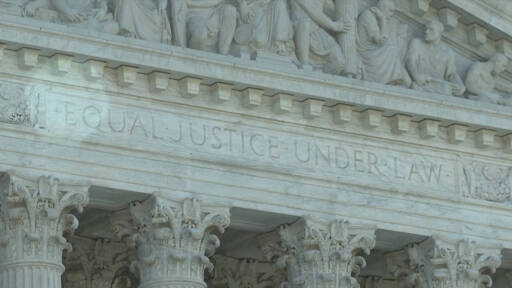
In another landmark decision on Monday, the Supreme Court ruled that law enforcement agencies must first obtain a warrant before sweeping up smartphone location data from third-party tech companies like Google. In her majority opinion, Justice Elena Kagan wrote that a lower court should reexamine whether the technique known as geofencing constitutes an unreasonable search under the Fourth Amendment. She wrote, “An individual has a reasonable expectation of privacy in records about his cell phone’s location, and police intrude on that constitutionally protected interest when they demand the information.”
What they’re talking about is the practice of collecting all of the location data for all devices in specified areas, then examining that data to see if someone they suspect but don’t have enough to get a warrant for their specific phone data was in that area. Or comparing data from multiple locations to see who was at A at a certain time and at B at a certain time.
They’ve always needed a warrant for cell tower data used in this way; this ruling appears to extend that requirement to any location data from any company.